The Future of B2B Data: AI, Automation, and Compliance
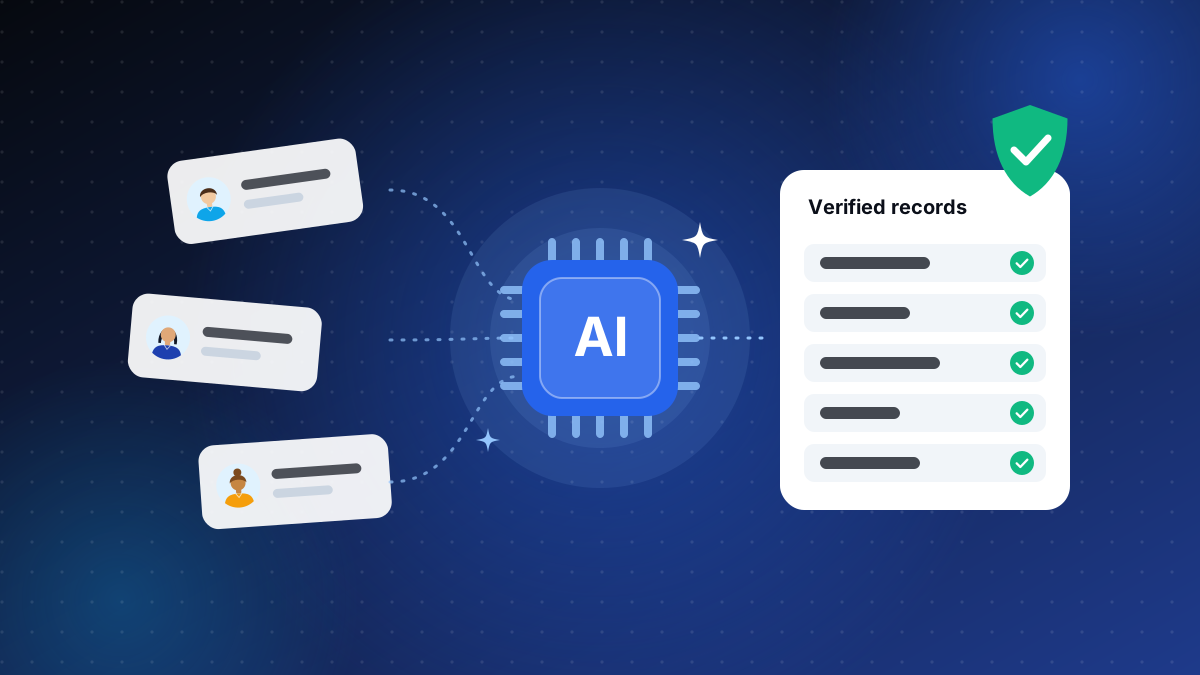
How AI and automation are changing B2B data collection, and why compliance keeps that data trustworthy.
Read article
The strongest candidate for a senior role is rarely the one who applied. They are usually doing well where they are, not checking job boards, and unlikely to respond to a generic recruiter message. Reaching them takes a different approach than reaching active job seekers.
An active job seeker is looking for a reason to apply. A passive candidate needs a reason to even consider a conversation. That single difference changes almost everything about how you source, message, and follow up.
Generic outreach gets ignored by people who are not actively looking. Specific, well-researched outreach gets a reply, because it signals that you understand their situation, not just their job title.
Passive sourcing works better as an ongoing pipeline than a one-off scramble when a role opens. Mapping the market for a function or seniority level ahead of time means you already have a shortlist of strong, pre-researched candidates when the role actually becomes live.
Identify the companies and roles most likely to hold your future candidates.
Note career moves and milestones that signal someone may be open to a conversation.
Light-touch, non-pushy contact over time, so the first real ask isn't a cold one.
Short, specific, and low-pressure. It respects that the person was not looking, states clearly why you reached out to them, and makes it easy to say "not now, but keep me in mind" instead of forcing a yes-or-no on the first message.
Related service
Executive research combines market analysis, competitor insight, and targeted talent identification to deliver a curated list of senior-level candidates aligned with your leadership needs.
Keep reading
How AI and automation are changing B2B data collection, and why compliance keeps that data trustworthy.
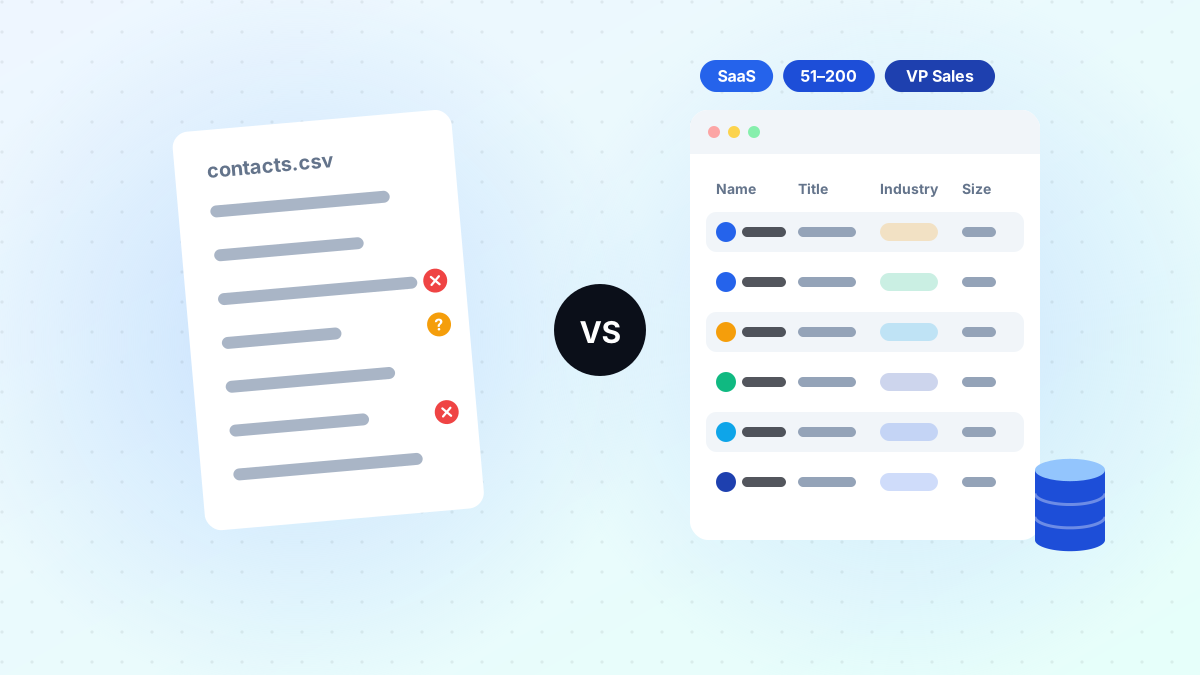
Read articleWhy a curated B2B database and a raw contact list lead to very different outreach results.
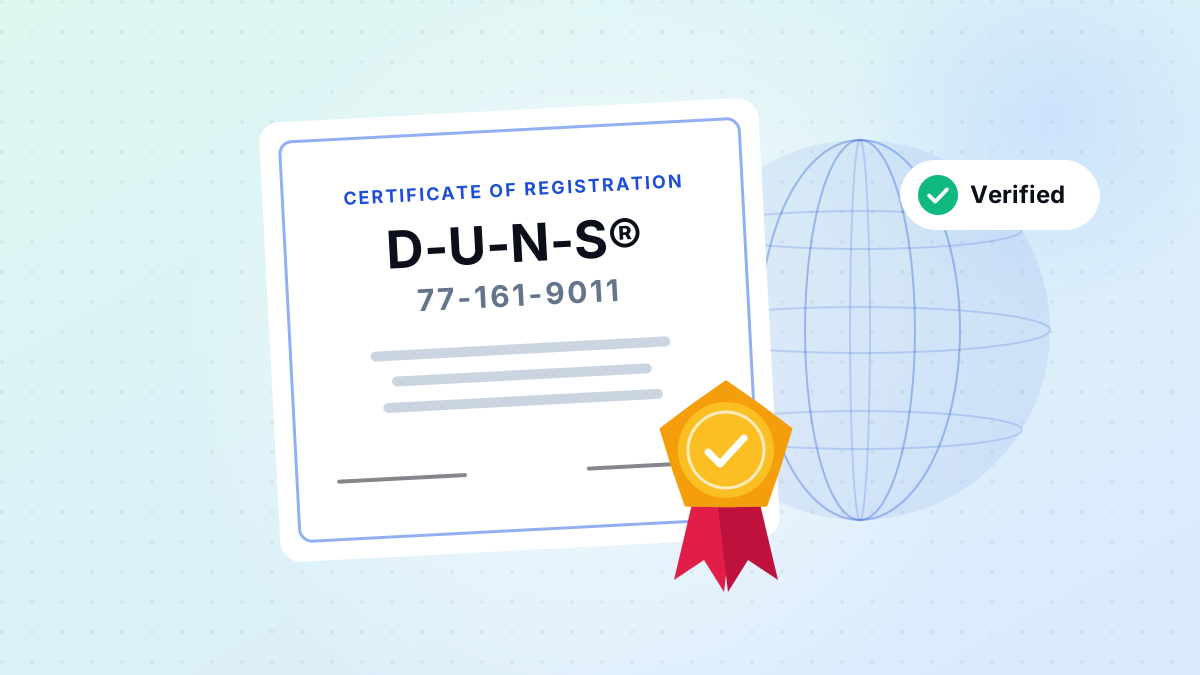
Read articleWhat DUNS registration means for transparency, verification, and enterprise-grade data services.
Read articleAsk us anything
From list building to CRM cleanup, our researchers are happy to talk through what will work for you.
We use cookies to provide essential website functionality, improve your experience, understand website performance, and support our marketing activities.
You can choose which types of cookies you allow. Essential cookies cannot be disabled because they are required for the website to function properly.
These cookies are necessary for core website functions, security, navigation, and your cookie preferences.
These cookies help us understand how visitors use our website, such as which pages are visited and how users interact with our content. This helps us improve our website and services.
These cookies may be used to understand advertising and campaign performance and provide more relevant communications or content.
Locked off because your browser sent a privacy opt-out signal or you opted out of sale or sharing.
These cookies allow the website to remember certain preferences and provide enhanced functionality.
You can change your cookie preferences at any time through the Cookie Settings option on our website. For more information, please see our Cookie Policy and Privacy Policy.