The Future of B2B Data: AI, Automation, and Compliance
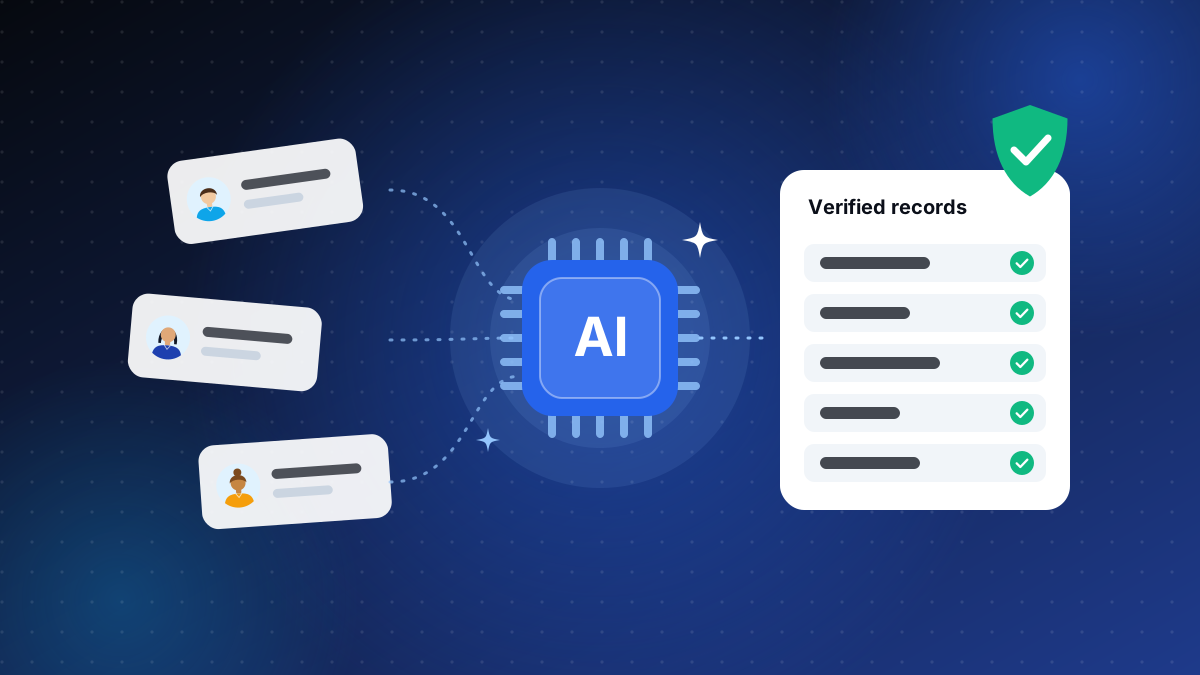
How AI and automation are changing B2B data collection, and why compliance keeps that data trustworthy.
Read article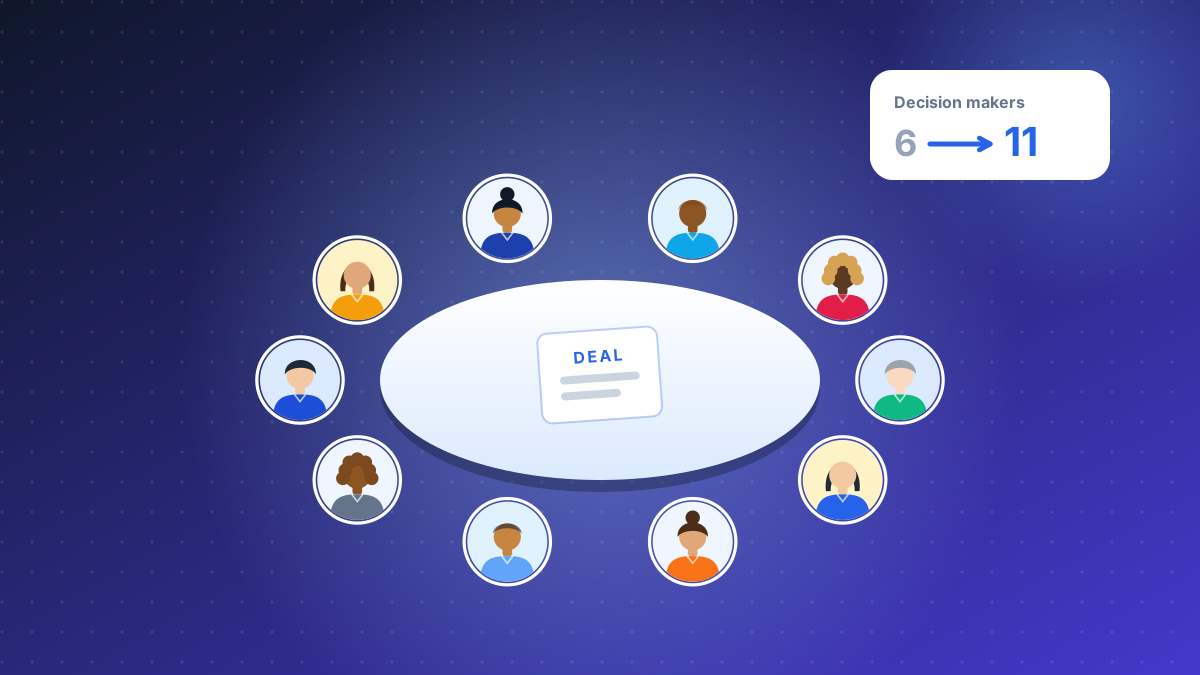
B2B deals used to close through one or two people. Today, complex purchases routinely involve half a dozen or more stakeholders, each with their own concerns. Here is why that shift happened, and what it means for how you build target lists.
Software and services now touch more parts of a business than they used to. A tool that used to be a single department's decision, marketing software, for instance, now often has security, IT, finance, and legal weighing in before a contract is signed. More stakeholders means more people who can slow a deal down, even if none of them can single-handedly speed one up.
Will actually work with the product day to day, and cares most about usability.
Controls the budget and cares most about cost and return on investment.
Cares about data handling, integration, and risk, often later in the process than expected.
Cares about contract terms and vendor comparison, and can add real time to a deal.
Targeting a single title per account is no longer enough. A stronger approach builds out a small map of likely stakeholders per account before outreach starts, so messaging can be tailored to what each role actually cares about, rather than sending the same pitch to everyone.
Bigger buying committees slow down teams who target one contact and hope the deal spreads internally on its own. They do not slow down teams who arrive with the right map from the start. The extra research pays for itself in shorter, more predictable sales cycles.
Related service
Custom-built, human-verified prospect lists mapped to your ideal customer profile. Accurate, verified, and up to date, so your team reaches the right people faster.
Keep reading
How AI and automation are changing B2B data collection, and why compliance keeps that data trustworthy.
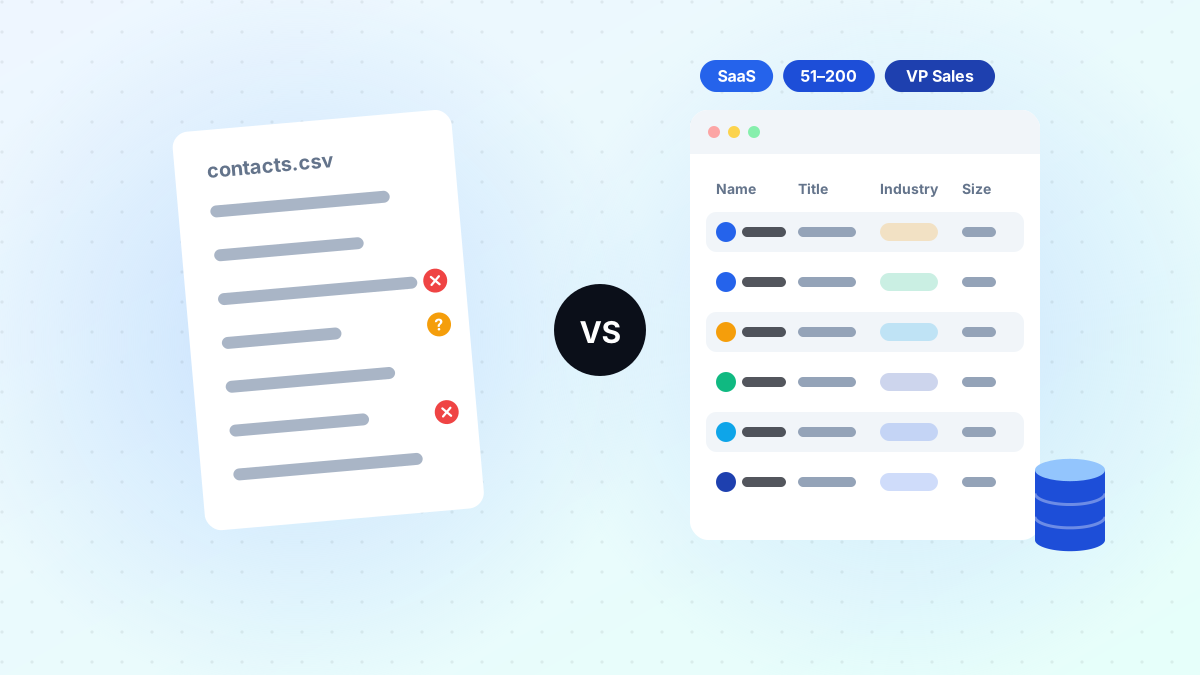
Read articleWhy a curated B2B database and a raw contact list lead to very different outreach results.
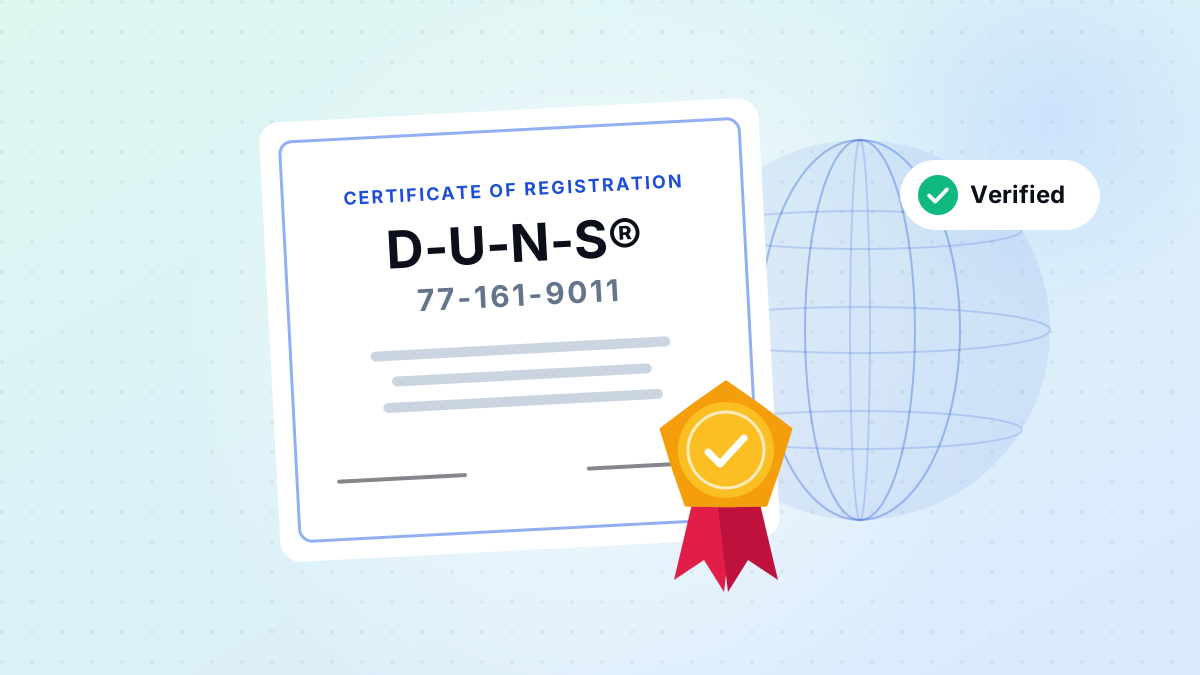
Read articleWhat DUNS registration means for transparency, verification, and enterprise-grade data services.
Read articleAsk us anything
From list building to CRM cleanup, our researchers are happy to talk through what will work for you.
We use cookies to provide essential website functionality, improve your experience, understand website performance, and support our marketing activities.
You can choose which types of cookies you allow. Essential cookies cannot be disabled because they are required for the website to function properly.
These cookies are necessary for core website functions, security, navigation, and your cookie preferences.
These cookies help us understand how visitors use our website, such as which pages are visited and how users interact with our content. This helps us improve our website and services.
These cookies may be used to understand advertising and campaign performance and provide more relevant communications or content.
Locked off because your browser sent a privacy opt-out signal or you opted out of sale or sharing.
These cookies allow the website to remember certain preferences and provide enhanced functionality.
You can change your cookie preferences at any time through the Cookie Settings option on our website. For more information, please see our Cookie Policy and Privacy Policy.