The Future of B2B Data: AI, Automation, and Compliance
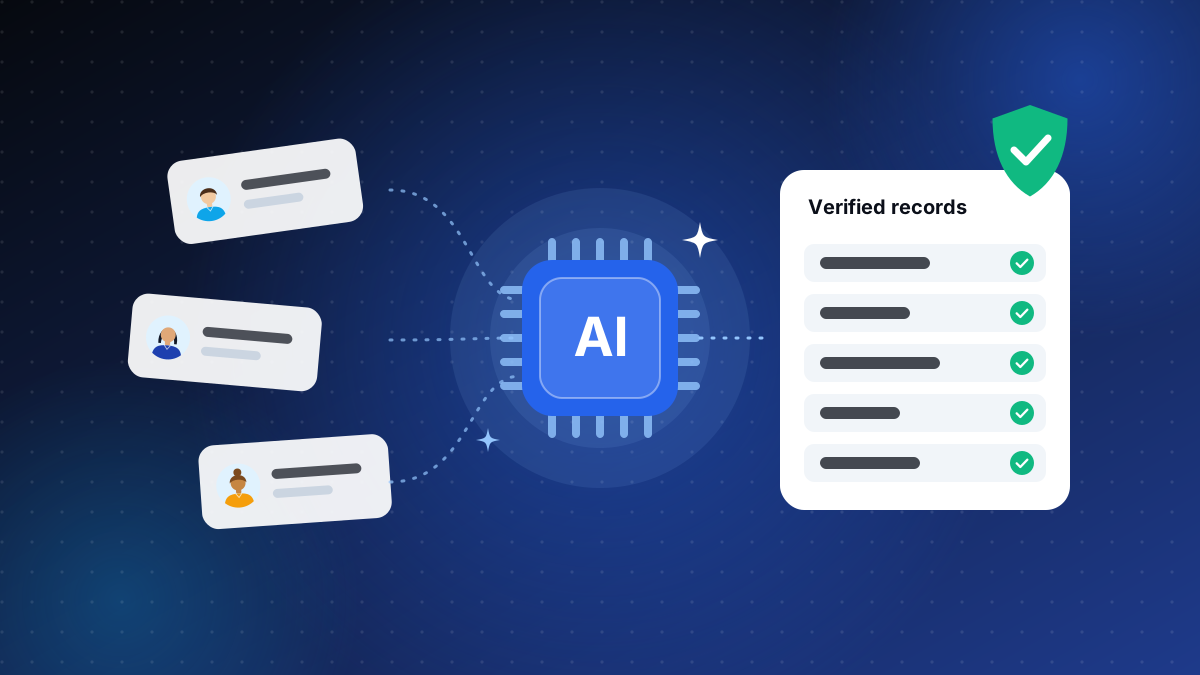
How AI and automation are changing B2B data collection, and why compliance keeps that data trustworthy.
Read article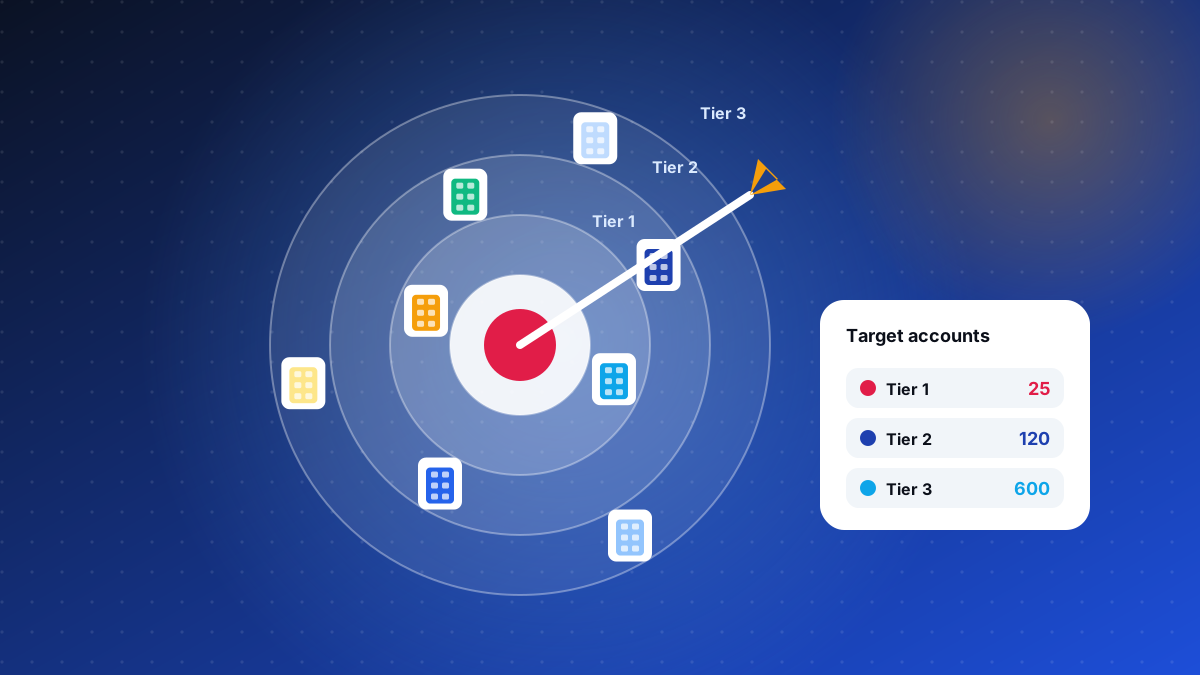
Account-based marketing only works if the accounts are right. Get the target list wrong, and even the best-designed campaign is aimed at companies who were never going to buy. Here is how to build a target list your sales team will actually thank you for.
The instinct is to define a target market broadly: a region, an industry, a headcount range. A better starting point is your existing best customers. Look for the traits they share: company size, tech stack, growth stage, org structure, or the trigger event that brought them to you in the first place.
Those shared traits become your filters for finding more accounts like them, instead of a generic list built on assumptions.
Firmographic filters, industry, size, revenue, get you to a workable shortlist quickly, but fit goes deeper.
Modern B2B deals rarely close through one contact. Before your first campaign goes out, map who else in the account is likely to weigh in.
The person who feels the problem daily and will advocate internally.
The person who controls or approves the budget.
The person who will assess whether the solution actually works for them.
The person whose concerns, if unaddressed, can quietly stall a deal.
You do not need every role filled before you start, but knowing the roles helps you prioritize which contacts to source first.
A target account list is not a one-time export. Companies get acquired, restructure, and change priorities. Revisit your list on a set cadence, retire accounts that have gone cold or stopped fitting your profile, and keep sourcing fresh contacts as roles change inside the accounts you are already pursuing.
Related service
Custom-built, human-verified prospect lists mapped to your ideal customer profile. Accurate, verified, and up to date, so your team reaches the right people faster.
Keep reading
How AI and automation are changing B2B data collection, and why compliance keeps that data trustworthy.
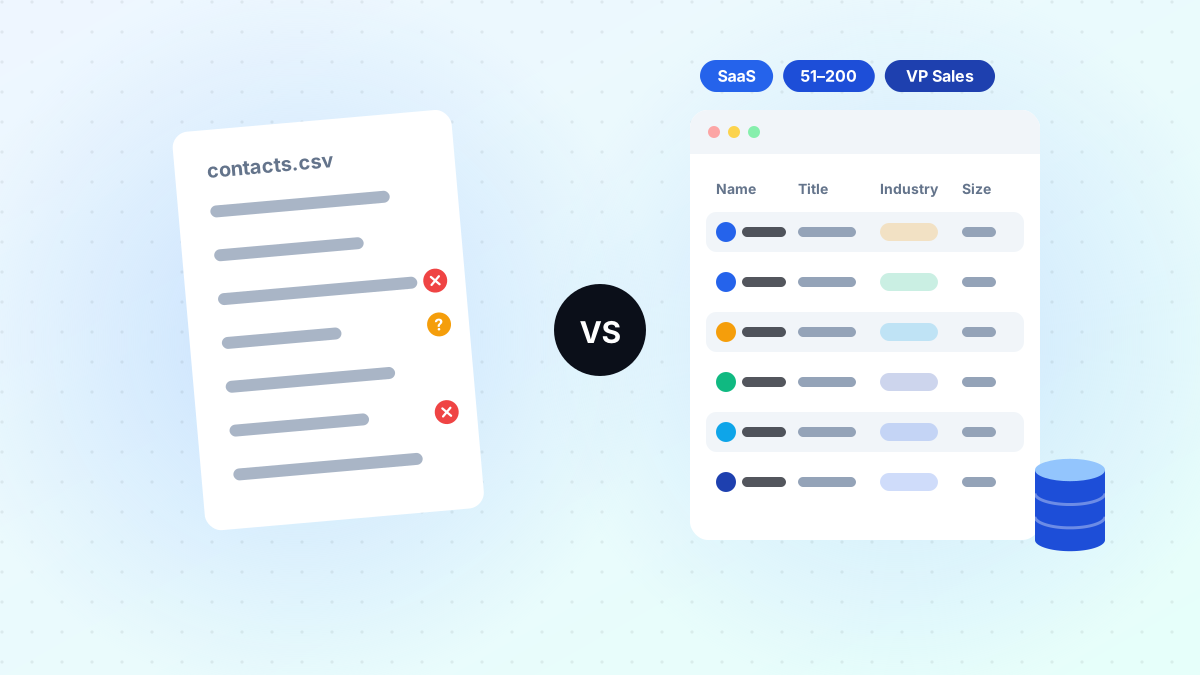
Read articleWhy a curated B2B database and a raw contact list lead to very different outreach results.
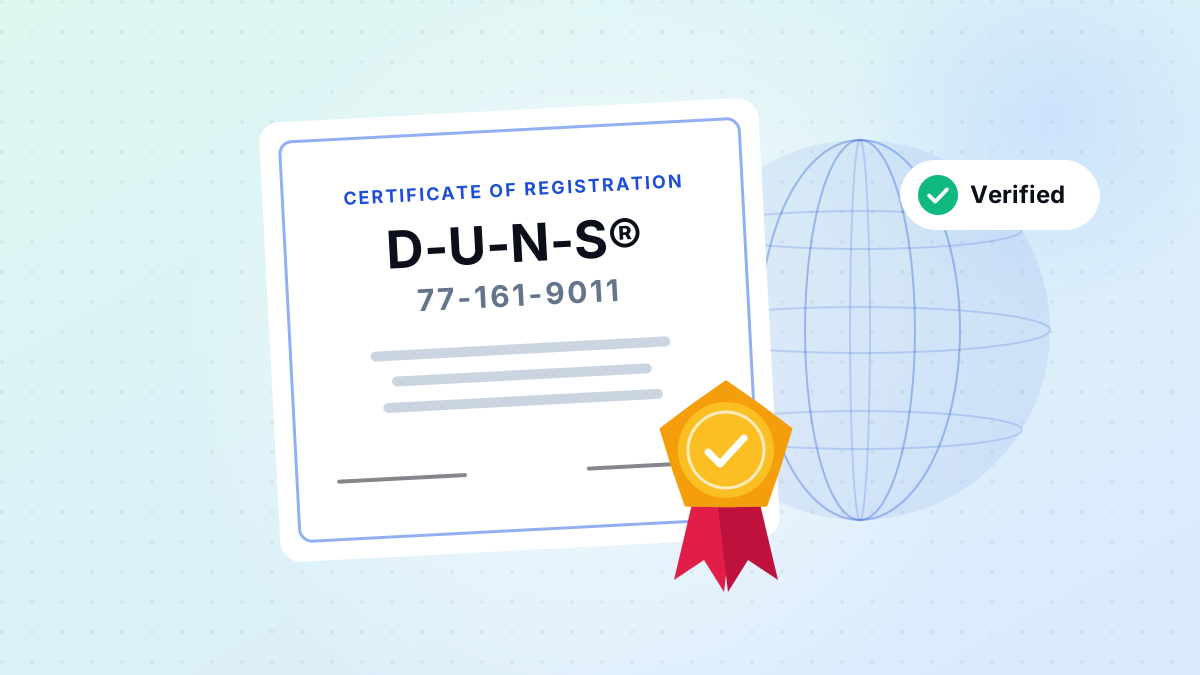
Read articleWhat DUNS registration means for transparency, verification, and enterprise-grade data services.
Read articleAsk us anything
From list building to CRM cleanup, our researchers are happy to talk through what will work for you.
We use cookies to provide essential website functionality, improve your experience, understand website performance, and support our marketing activities.
You can choose which types of cookies you allow. Essential cookies cannot be disabled because they are required for the website to function properly.
These cookies are necessary for core website functions, security, navigation, and your cookie preferences.
These cookies help us understand how visitors use our website, such as which pages are visited and how users interact with our content. This helps us improve our website and services.
These cookies may be used to understand advertising and campaign performance and provide more relevant communications or content.
Locked off because your browser sent a privacy opt-out signal or you opted out of sale or sharing.
These cookies allow the website to remember certain preferences and provide enhanced functionality.
You can change your cookie preferences at any time through the Cookie Settings option on our website. For more information, please see our Cookie Policy and Privacy Policy.