The Future of B2B Data: AI, Automation, and Compliance
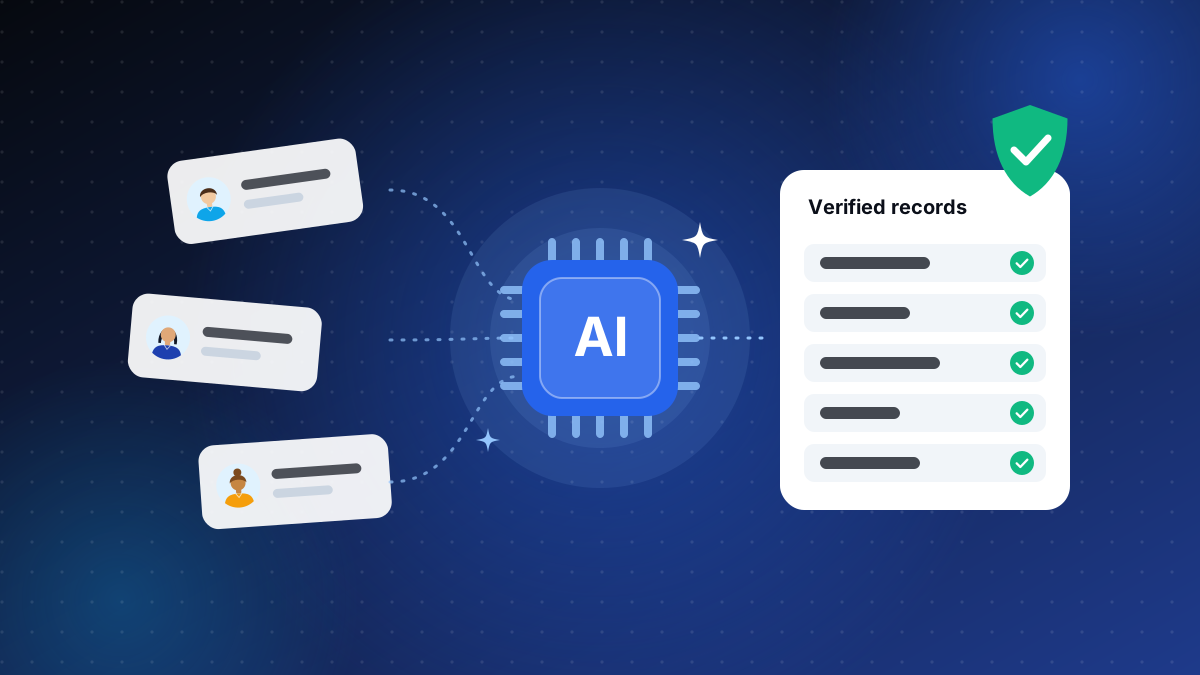
How AI and automation are changing B2B data collection, and why compliance keeps that data trustworthy.
Read article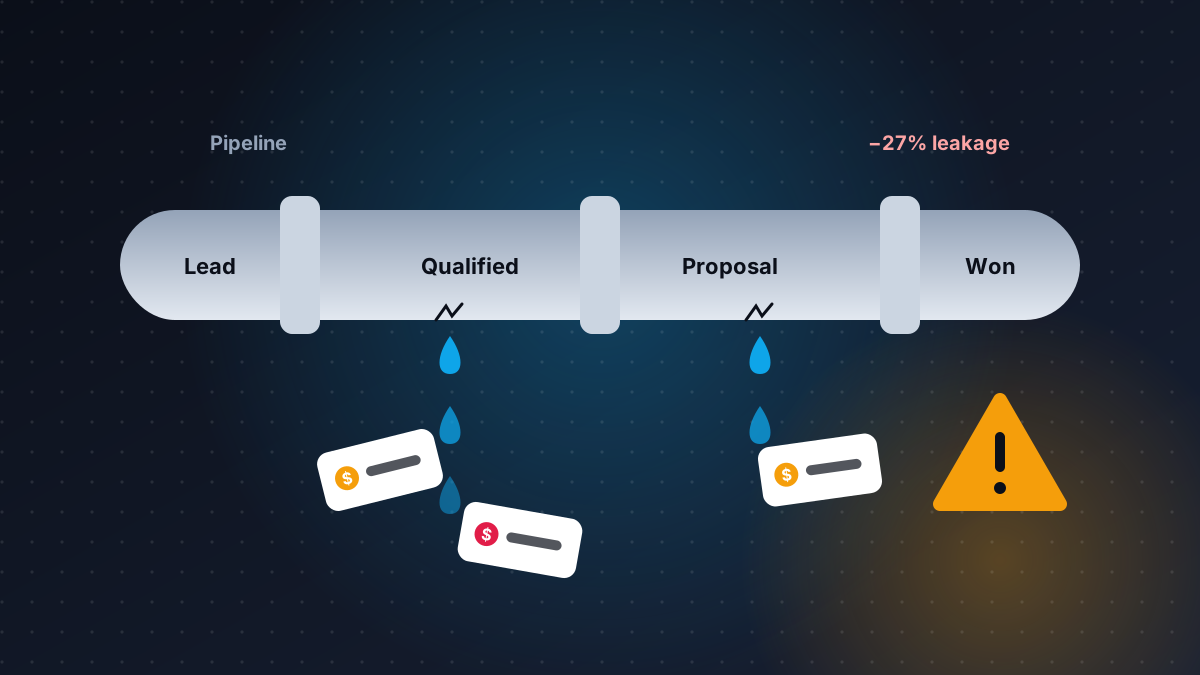
No sales team sets out to sabotage its own pipeline. But a handful of small, everyday CRM habits, repeated across every rep and every deal, quietly do exactly that. Here are five worth fixing first.
When reps update the CRM at the end of the week instead of after each call, details blur together. Next steps get vague, stage changes get delayed, and by the time a manager reviews the pipeline, half of it is already out of date.
If "Qualified" means one thing to one rep and something looser to another, your forecast is really just an average of several different definitions. Clear, written criteria for each stage, and light enforcement in reviews, fixes this faster than any tool.
A deal record without a verified email, a real job title, or the right company size looks complete at a glance but breaks the moment you try to segment, report, or hand it off to another rep. Required fields feel like friction in the moment; missing data is friction later, at a worse time.
Duplicate contacts and companies split activity history across two records, so nobody has the full picture of a relationship. Left alone, duplicates also inflate pipeline numbers and distort attribution, because the same deal can end up partially credited in two places.
A closed-lost deal with no reason logged is a lesson nobody gets to learn from. A short, consistent loss-reason field, reviewed quarterly, turns your CRM from a record-keeping tool into a source of pattern recognition for what is and is not working.
Related service
Customer data decays over time. We validate, standardize, deduplicate, and enrich your CRM so your team engages the right people with the right details.
Keep reading
How AI and automation are changing B2B data collection, and why compliance keeps that data trustworthy.
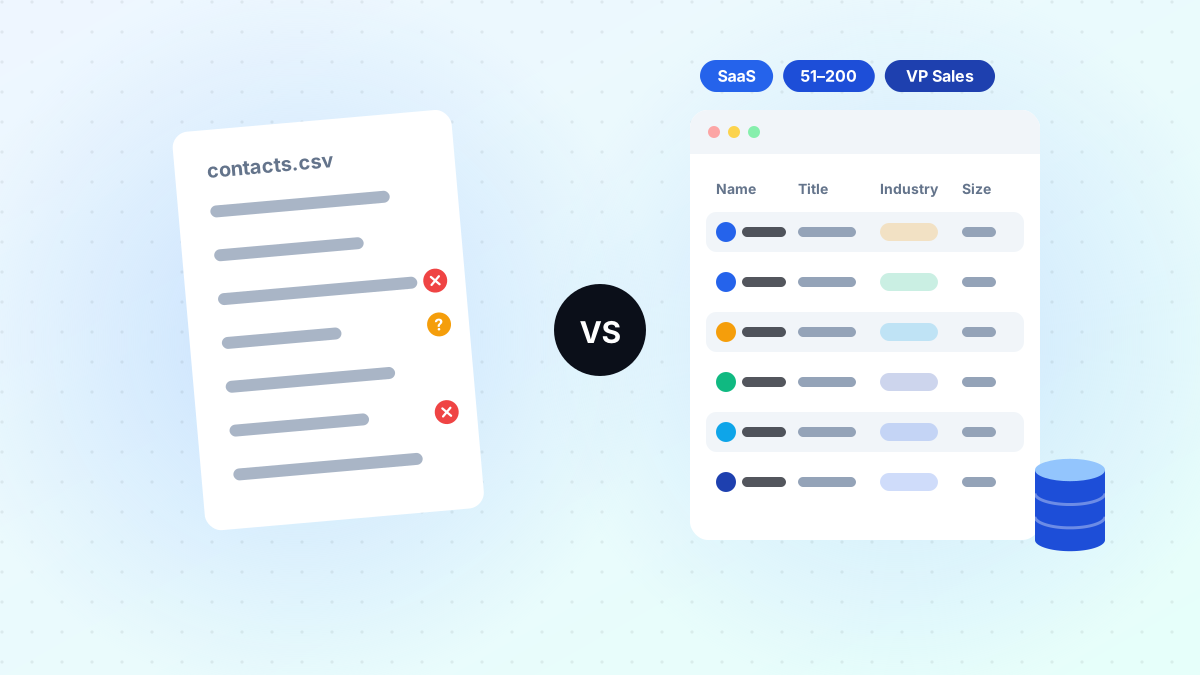
Read articleWhy a curated B2B database and a raw contact list lead to very different outreach results.
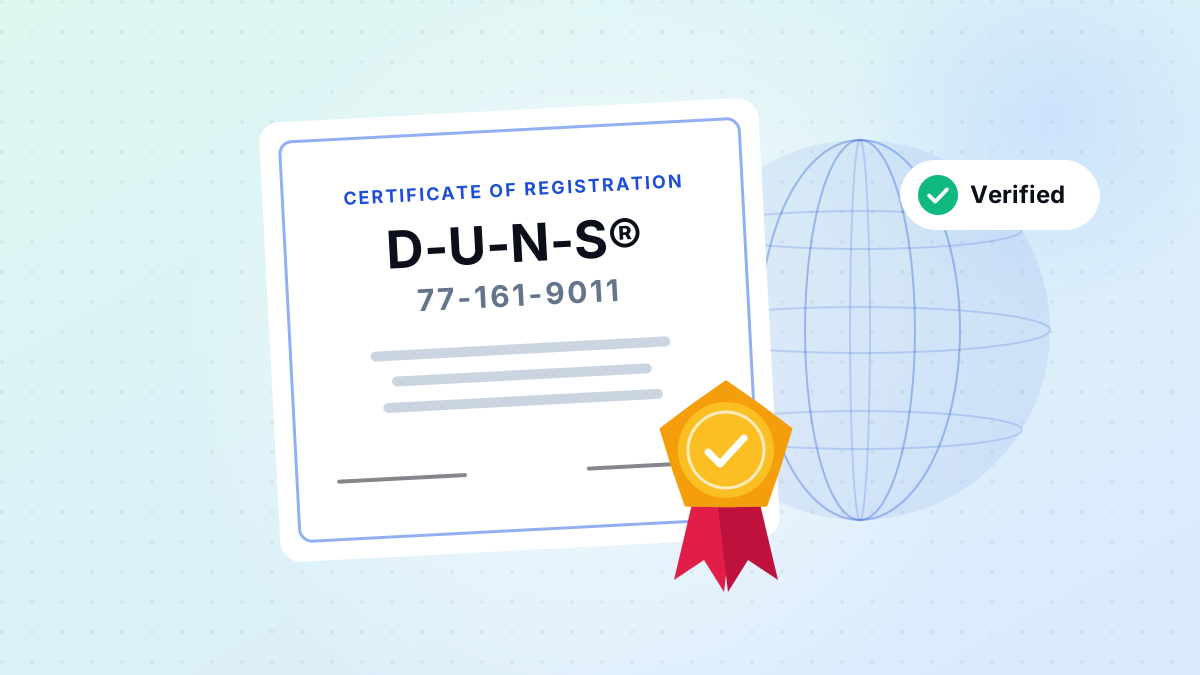
Read articleWhat DUNS registration means for transparency, verification, and enterprise-grade data services.
Read articleAsk us anything
From list building to CRM cleanup, our researchers are happy to talk through what will work for you.
We use cookies to provide essential website functionality, improve your experience, understand website performance, and support our marketing activities.
You can choose which types of cookies you allow. Essential cookies cannot be disabled because they are required for the website to function properly.
These cookies are necessary for core website functions, security, navigation, and your cookie preferences.
These cookies help us understand how visitors use our website, such as which pages are visited and how users interact with our content. This helps us improve our website and services.
These cookies may be used to understand advertising and campaign performance and provide more relevant communications or content.
Locked off because your browser sent a privacy opt-out signal or you opted out of sale or sharing.
These cookies allow the website to remember certain preferences and provide enhanced functionality.
You can change your cookie preferences at any time through the Cookie Settings option on our website. For more information, please see our Cookie Policy and Privacy Policy.