The Future of B2B Data: AI, Automation, and Compliance
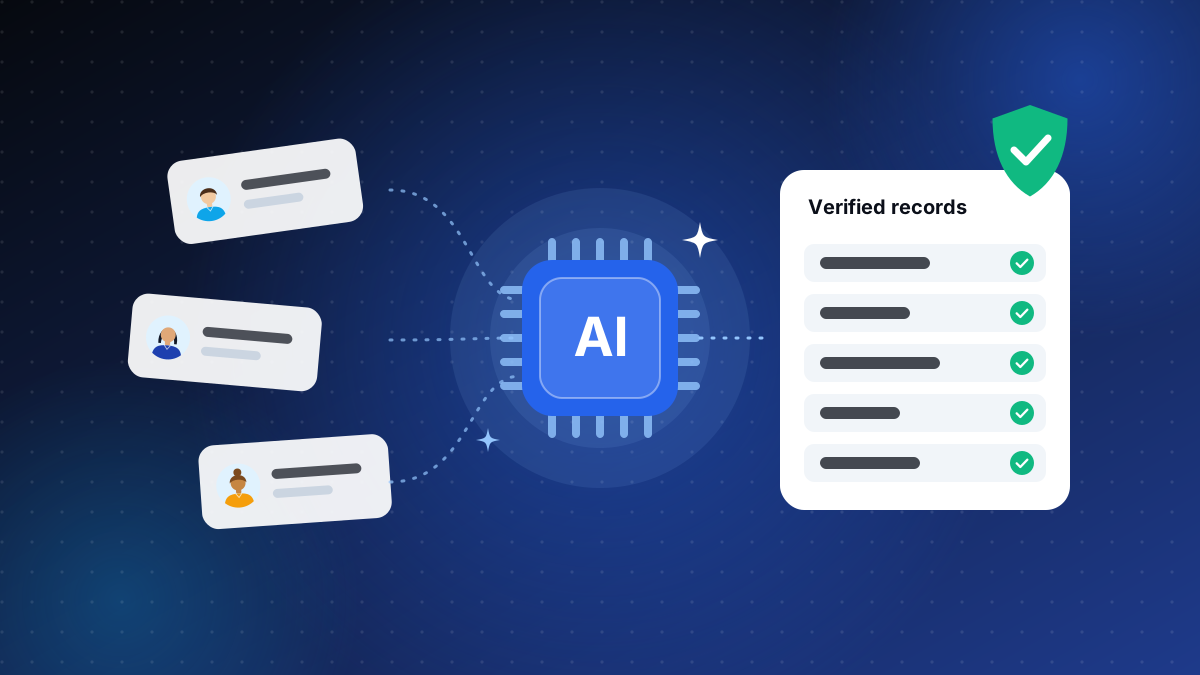
How AI and automation are changing B2B data collection, and why compliance keeps that data trustworthy.
Read article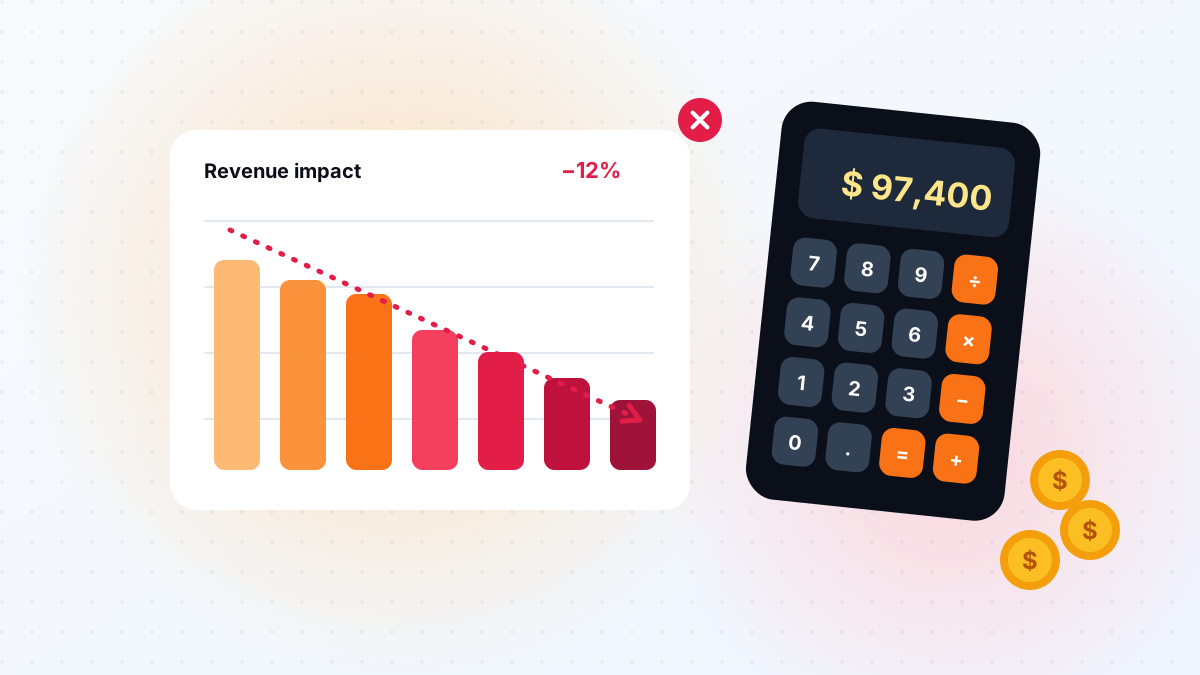
Most teams know their CRM has problems. Few can say what those problems actually cost. Here is a simple way to put a number on it, so the case for cleaning up your data stops being a hunch and starts being a business decision.
Bad data rarely shows up as a single dramatic failure. Instead it shows up as a rep who spends ten minutes finding a working phone number, a campaign that bounces at twice the normal rate, or a forecast that never quite matches what closes. Each incident looks minor. Added up over a quarter, they are not.
That is the trap: because the cost is distributed across hundreds of small moments, nobody owns the problem, and nobody budgets to fix it.
You can estimate the cost of bad data with three rough categories.
Hours reps and marketers spend finding, fixing, or working around incorrect records instead of selling.
Money spent reaching people who were never going to convert, from ad spend to email sends to SDR hours.
Deals that slipped, stalled, or never started because outreach landed on the wrong person, or never landed at all.
Here is a rough formula you can run in ten minutes.
You do not need precision here. A directionally correct number is enough to justify the investment in cleaning and maintaining your data.
Once you have a rough figure, the next step is deciding where to spend first: a one-time CRM cleanse, ongoing verification on every new record, or both. Most teams get the fastest payback from fixing the flow of new data first, so the problem stops growing while the backlog gets cleaned.
Related service
Customer data decays over time. We validate, standardize, deduplicate, and enrich your CRM so your team engages the right people with the right details.
Keep reading
How AI and automation are changing B2B data collection, and why compliance keeps that data trustworthy.
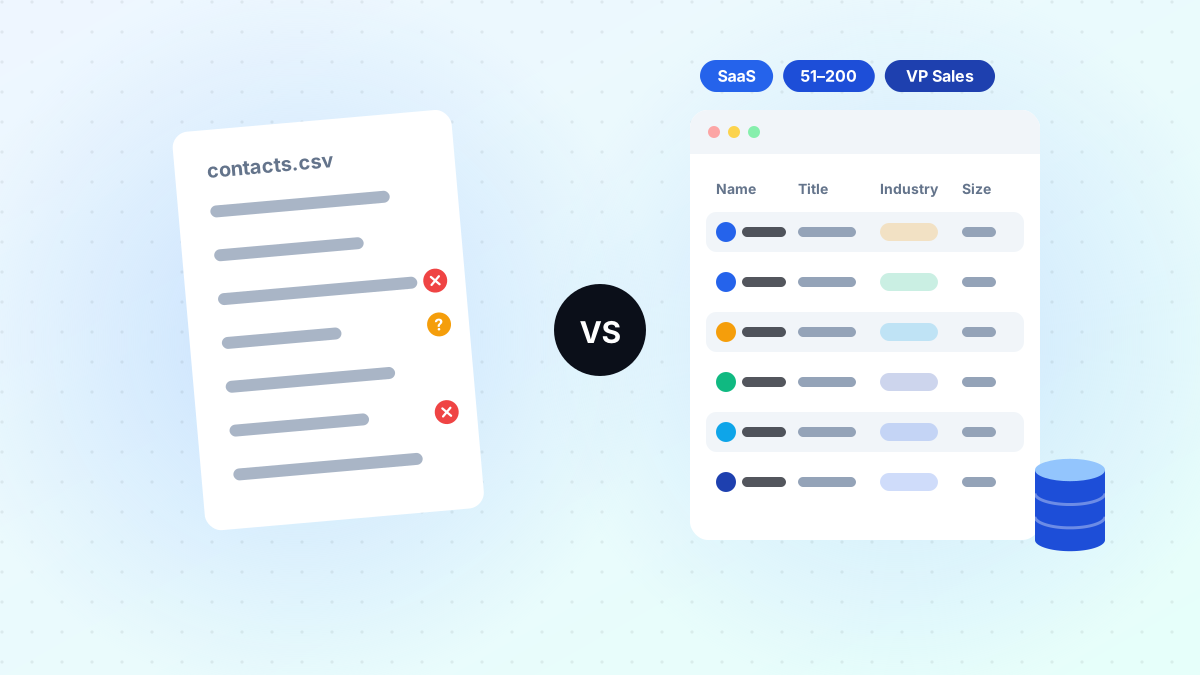
Read articleWhy a curated B2B database and a raw contact list lead to very different outreach results.
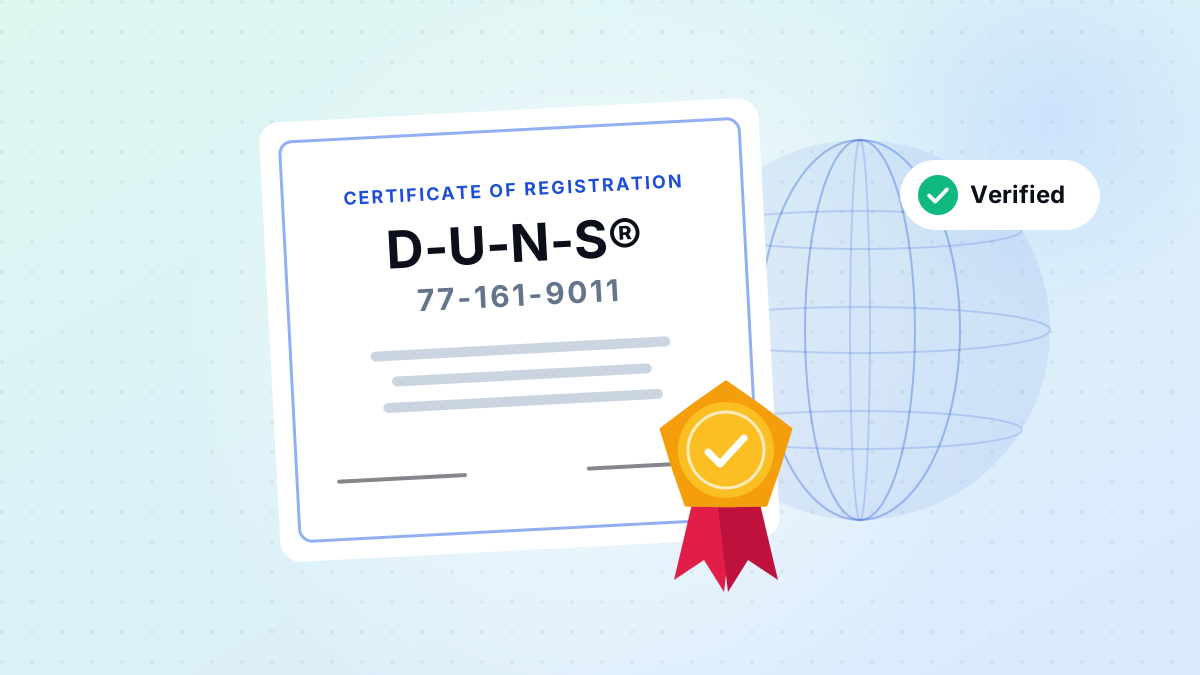
Read articleWhat DUNS registration means for transparency, verification, and enterprise-grade data services.
Read articleAsk us anything
From list building to CRM cleanup, our researchers are happy to talk through what will work for you.
We use cookies to provide essential website functionality, improve your experience, understand website performance, and support our marketing activities.
You can choose which types of cookies you allow. Essential cookies cannot be disabled because they are required for the website to function properly.
These cookies are necessary for core website functions, security, navigation, and your cookie preferences.
These cookies help us understand how visitors use our website, such as which pages are visited and how users interact with our content. This helps us improve our website and services.
These cookies may be used to understand advertising and campaign performance and provide more relevant communications or content.
Locked off because your browser sent a privacy opt-out signal or you opted out of sale or sharing.
These cookies allow the website to remember certain preferences and provide enhanced functionality.
You can change your cookie preferences at any time through the Cookie Settings option on our website. For more information, please see our Cookie Policy and Privacy Policy.