The Future of B2B Data: AI, Automation, and Compliance
How AI and automation are changing B2B data collection, and why compliance keeps that data trustworthy.
Read article
Diversity commitments in executive hiring often break down before a single interview happens, because the shortlist itself was never diverse to begin with. Fixing that starts earlier in the process than most search efforts go.
An interview panel can only choose from the candidates in front of it. If the sourcing process consistently surfaces the same networks, the same referral chains, and the same visible profiles, no amount of interview process improvement will change the outcome. The fix has to happen upstream.
Favoring candidates who resemble past successful hires in background or path.
Filtering on specific companies or schools that overlaps heavily with existing networks.
Relying mainly on the network of people already in the organization.
Track shortlist composition as its own metric, separate from the final hire. A diverse final hire from a narrow shortlist can look like success while masking a sourcing process that will not repeat that result next time. A consistently diverse shortlist, search after search, is the more durable signal that the process itself is working.
Related service
Executive research combines market analysis, competitor insight, and targeted talent identification to deliver a curated list of senior-level candidates aligned with your leadership needs.
Keep reading
How AI and automation are changing B2B data collection, and why compliance keeps that data trustworthy.
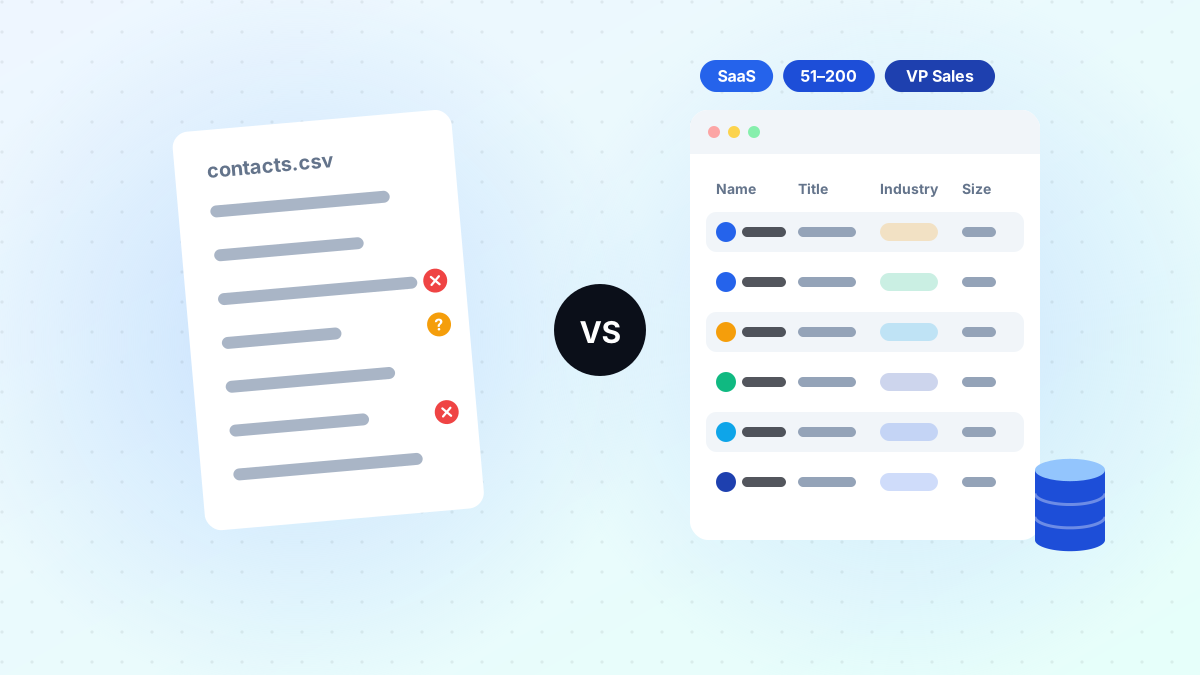
Read articleWhy a curated B2B database and a raw contact list lead to very different outreach results.
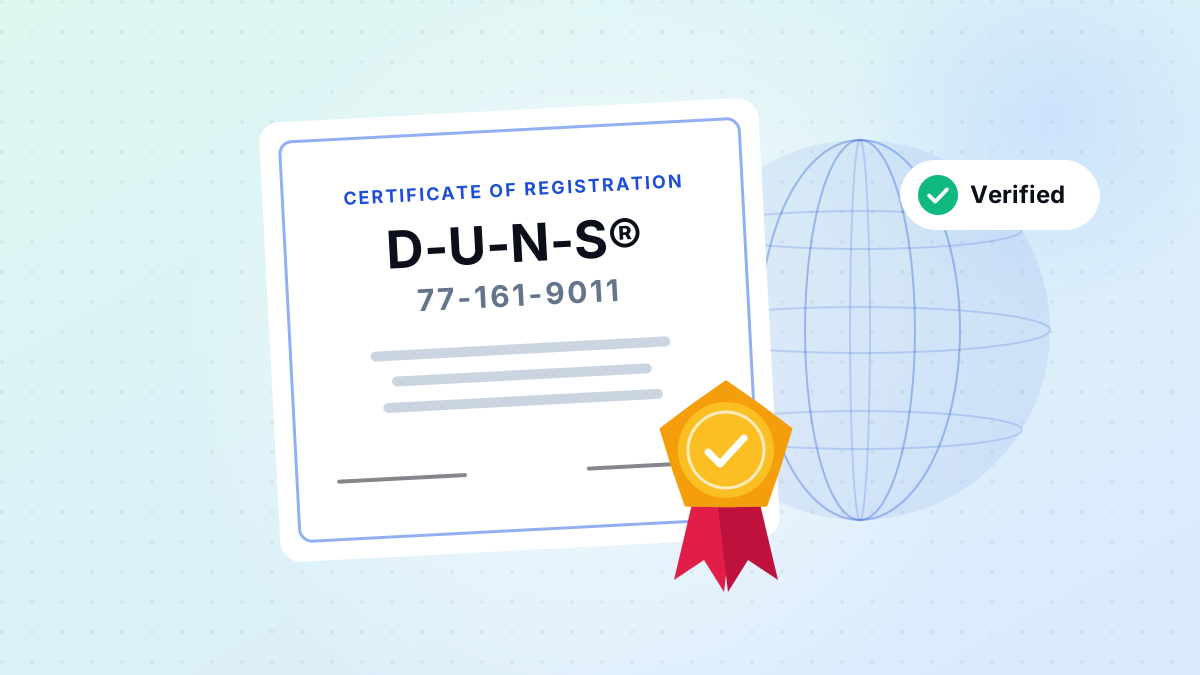
Read articleWhat DUNS registration means for transparency, verification, and enterprise-grade data services.
Read articleAsk us anything
From list building to CRM cleanup, our researchers are happy to talk through what will work for you.
We use cookies to provide essential website functionality, improve your experience, understand website performance, and support our marketing activities.
You can choose which types of cookies you allow. Essential cookies cannot be disabled because they are required for the website to function properly.
These cookies are necessary for core website functions, security, navigation, and your cookie preferences.
These cookies help us understand how visitors use our website, such as which pages are visited and how users interact with our content. This helps us improve our website and services.
These cookies may be used to understand advertising and campaign performance and provide more relevant communications or content.
Locked off because your browser sent a privacy opt-out signal or you opted out of sale or sharing.
These cookies allow the website to remember certain preferences and provide enhanced functionality.
You can change your cookie preferences at any time through the Cookie Settings option on our website. For more information, please see our Cookie Policy and Privacy Policy.