The Future of B2B Data: AI, Automation, and Compliance
How AI and automation are changing B2B data collection, and why compliance keeps that data trustworthy.
Read article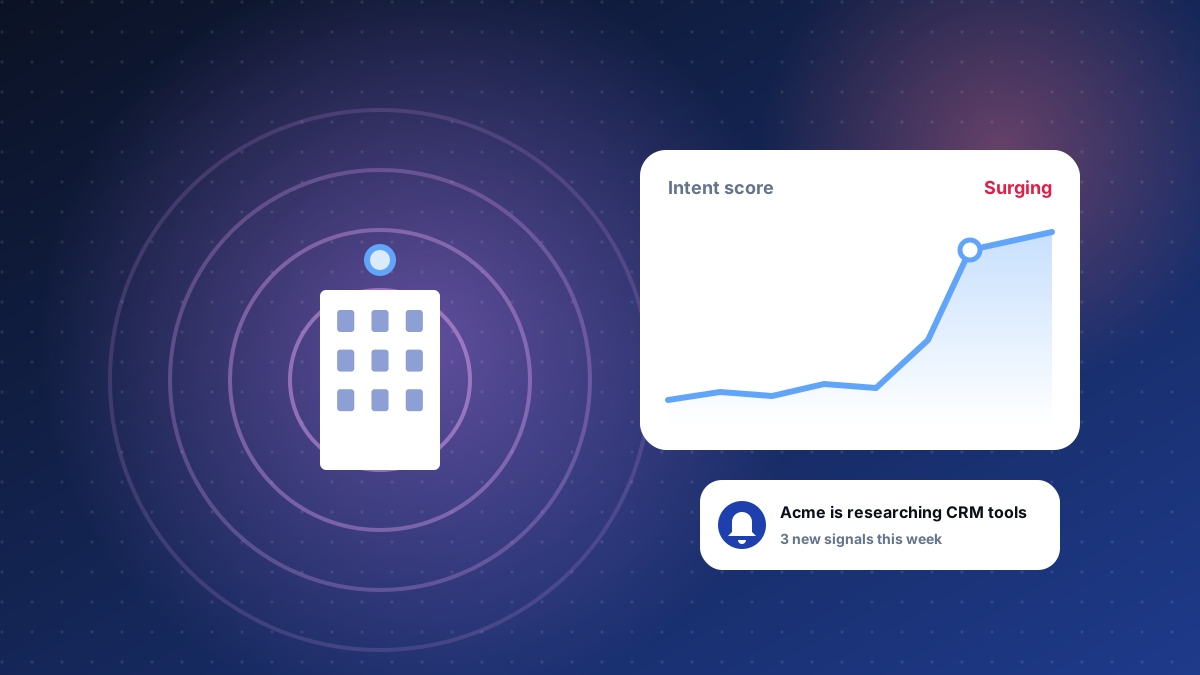
Intent data gets sold as a way to know who is ready to buy before they raise their hand. That is a useful idea, but it is easy to misread what the data is actually measuring, and to act on it the wrong way.
Most intent signals track research behavior: topics a company is reading about, searches related to your category, or job postings that hint at a new initiative. None of that confirms an active buying process. It confirms interest, or sometimes just relevance, which is a meaningfully different thing.
A cluster of related research activity, sustained over time, from multiple people at the same account.
A single spike in activity from one unknown visitor, with no other context.
A new job posting for a role directly tied to the problem you solve.
General industry content consumption with no specific topic focus.
The mistake most teams make is treating intent data as a trigger to blast outreach immediately. A better approach uses intent as a prioritization layer on top of a properly built target list, not a replacement for one.
It cannot tell you budget, authority, or a firm timeline. Those still require a conversation. Intent data narrows down where to have that conversation first, it does not replace having it.
Related service
Custom-built, human-verified prospect lists mapped to your ideal customer profile. Accurate, verified, and up to date, so your team reaches the right people faster.
Keep reading
How AI and automation are changing B2B data collection, and why compliance keeps that data trustworthy.
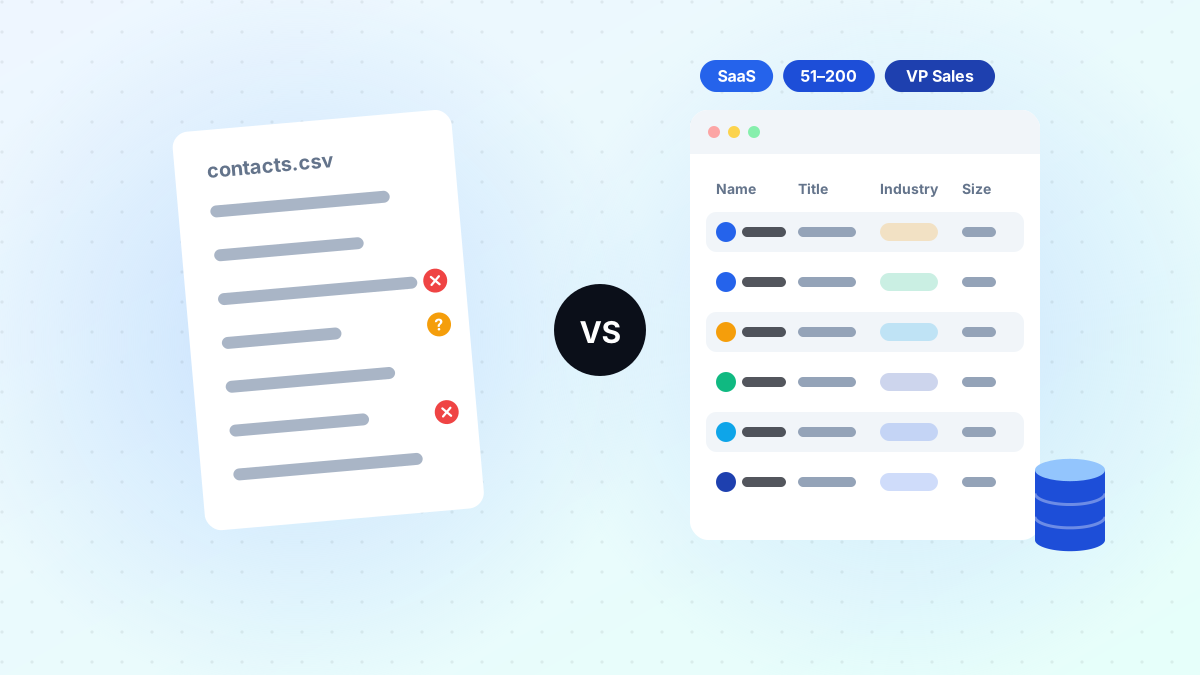
Read articleWhy a curated B2B database and a raw contact list lead to very different outreach results.
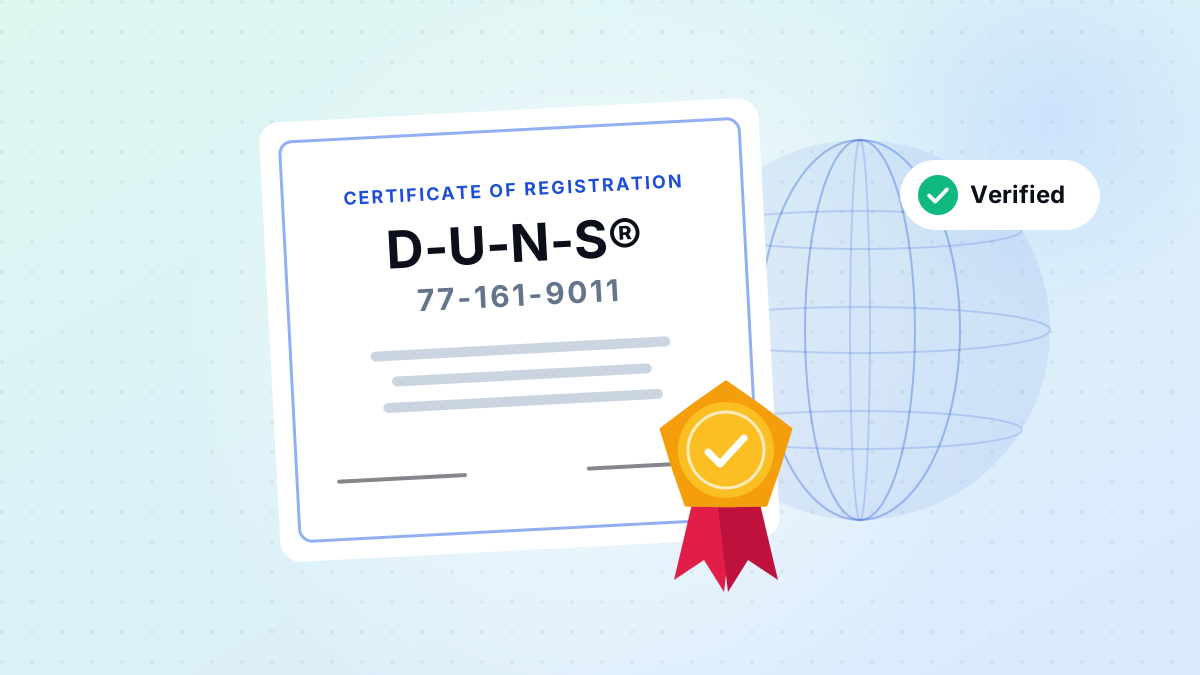
Read articleWhat DUNS registration means for transparency, verification, and enterprise-grade data services.
Read articleAsk us anything
From list building to CRM cleanup, our researchers are happy to talk through what will work for you.
We use cookies to provide essential website functionality, improve your experience, understand website performance, and support our marketing activities.
You can choose which types of cookies you allow. Essential cookies cannot be disabled because they are required for the website to function properly.
These cookies are necessary for core website functions, security, navigation, and your cookie preferences.
These cookies help us understand how visitors use our website, such as which pages are visited and how users interact with our content. This helps us improve our website and services.
These cookies may be used to understand advertising and campaign performance and provide more relevant communications or content.
Locked off because your browser sent a privacy opt-out signal or you opted out of sale or sharing.
These cookies allow the website to remember certain preferences and provide enhanced functionality.
You can change your cookie preferences at any time through the Cookie Settings option on our website. For more information, please see our Cookie Policy and Privacy Policy.