The Future of B2B Data: AI, Automation, and Compliance
How AI and automation are changing B2B data collection, and why compliance keeps that data trustworthy.
Read article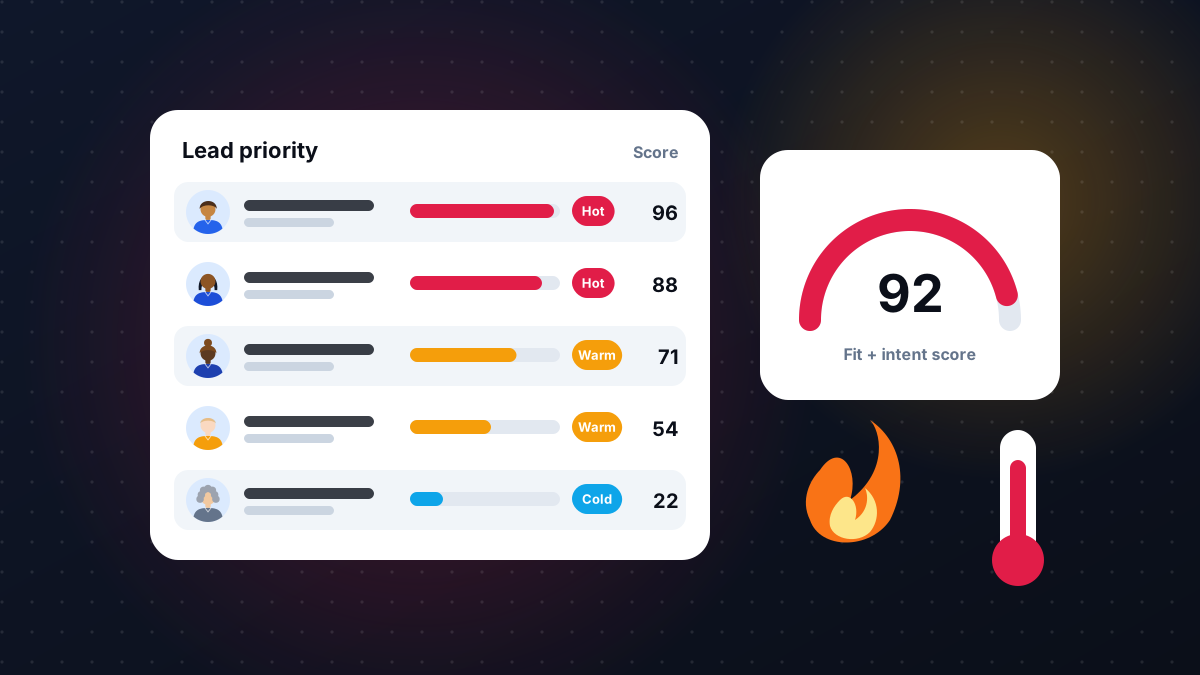
Lead scoring sounds like it needs a complex model, but a simple, transparent system built on data you likely already have is usually more useful, and more trusted by your sales team, than a black-box score nobody can explain.
Most workable lead scoring models separate fit from readiness, rather than combining everything into a single number from the start.
How well does this contact and company match your ideal customer profile, based on firmographics like size, industry, and role?
How much current behavior, like intent signals or engagement, suggests this lead is actively considering a purchase?
A high-fit, low-readiness lead is worth nurturing, not chasing immediately. A high-readiness, low-fit lead is often not worth much time at all, no matter how engaged they seem. Combining both into a single blended score hides that distinction and can send reps chasing the wrong leads.
The best lead scoring model is the one your sales team trusts enough to act on. A simple, explainable system that reps can understand and occasionally override tends to outperform a sophisticated one that feels like a black box.
Related service
Customer data decays over time. We validate, standardize, deduplicate, and enrich your CRM so your team engages the right people with the right details.
Keep reading
How AI and automation are changing B2B data collection, and why compliance keeps that data trustworthy.
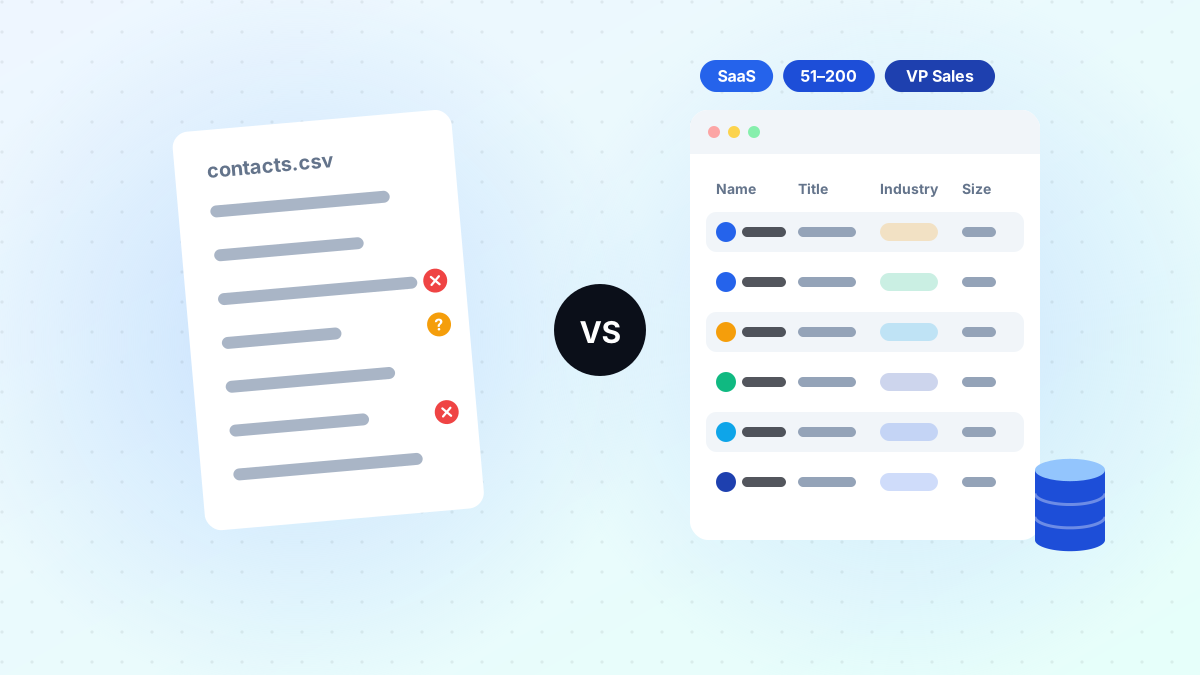
Read articleWhy a curated B2B database and a raw contact list lead to very different outreach results.
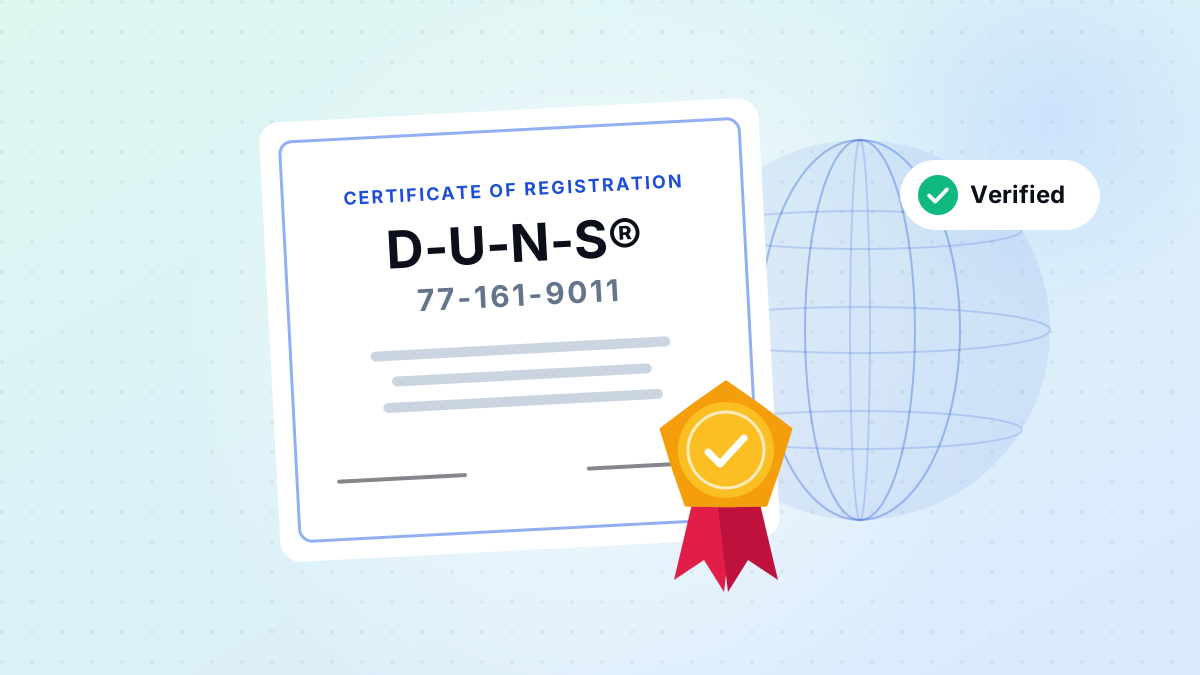
Read articleWhat DUNS registration means for transparency, verification, and enterprise-grade data services.
Read articleAsk us anything
From list building to CRM cleanup, our researchers are happy to talk through what will work for you.
We use cookies to provide essential website functionality, improve your experience, understand website performance, and support our marketing activities.
You can choose which types of cookies you allow. Essential cookies cannot be disabled because they are required for the website to function properly.
These cookies are necessary for core website functions, security, navigation, and your cookie preferences.
These cookies help us understand how visitors use our website, such as which pages are visited and how users interact with our content. This helps us improve our website and services.
These cookies may be used to understand advertising and campaign performance and provide more relevant communications or content.
Locked off because your browser sent a privacy opt-out signal or you opted out of sale or sharing.
These cookies allow the website to remember certain preferences and provide enhanced functionality.
You can change your cookie preferences at any time through the Cookie Settings option on our website. For more information, please see our Cookie Policy and Privacy Policy.